Retaining Walls & Concrete Masonry
Engineered retaining walls that solve drainage problems, prevent erosion, and transform sloped properties into usable space.
Why Your Property Needs a Properly Built Retaining Wall
Retaining walls do more than hold back soil. They protect your property from erosion, manage water runoff, create level areas on sloped lots, and add functional outdoor space where none existed before. A well-designed retaining wall solves drainage problems, prevents foundation damage, and transforms unusable hillsides into gardens, patios, or play areas. These structures work hard behind the scenes to keep your property stable and dry.
Many properties in Stanton sit on slopes or have elevation changes that create drainage challenges. Water flows downhill, and without proper management, it washes away soil, undermines foundations, and floods low-lying areas. Retaining walls give you control over how water moves across your property. They redirect runoff away from structures, create terraced areas that slow water flow, and prevent the erosion that turns small problems into expensive disasters.
The difference between a retaining wall that lasts decades and one that fails within years comes down to engineering and construction quality. Walls need proper drainage systems behind them to relieve water pressure. They require adequate footings sized for soil conditions and wall height. Reinforcement must be calculated based on the load the wall will retain. These aren't decorative features you can wing. They're structural elements that need professional design and installation.
We see failed retaining walls regularly around town. Walls that lean, crack, or collapse because they weren't built to handle the forces acting on them. Homeowners who hired the cheapest contractor and ended up with expensive repairs. Your retaining wall is an investment in your property's stability and value. Getting it right the first time costs less than fixing someone else's mistakes. We bring the engineering knowledge and construction experience to build walls that perform as designed for 30 years or more.
Retaining Wall Types and Applications
Different situations call for different retaining wall solutions. We build several types of walls, each suited to specific conditions and budgets. Let's walk through your options.
Concrete Block Retaining Walls
Segmental concrete block walls use interlocking masonry units that stack without mortar. These walls are versatile, relatively affordable, and available in many colors and textures. They work well for walls up to about 4 feet tall on residential properties. The modular nature makes them easier to install on curved layouts compared to poured concrete. Hollow cores in the blocks allow for reinforcement and drainage. These walls combine structural strength with attractive finished appearance.
Poured Concrete Retaining Walls
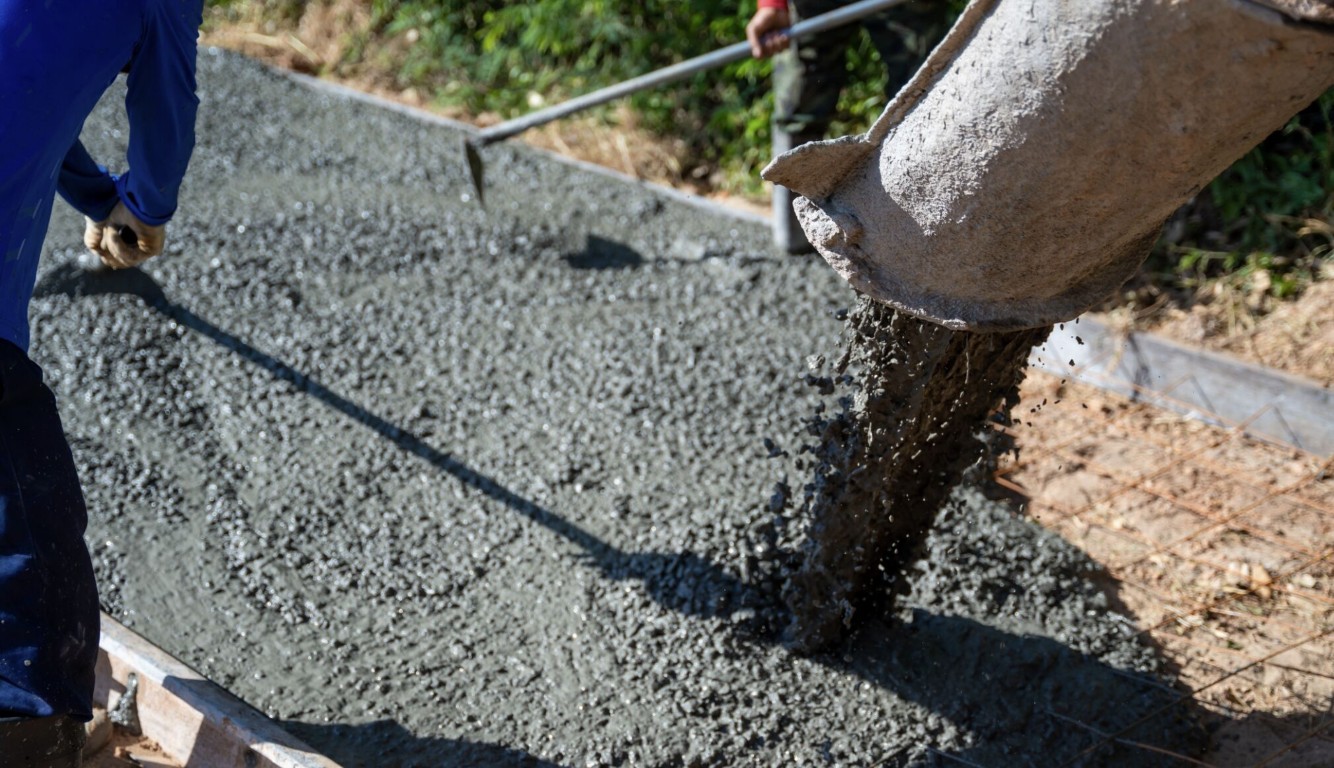
Cast-in-place concrete walls offer maximum strength for tall walls or challenging soil conditions. We excavate, build forms, install reinforcing steel, and pour concrete to create monolithic walls that handle significant loads. These walls can be finished with various textures or left smooth for a modern look. Poured walls work especially well when you need walls taller than 6 feet or when soil testing reveals poor bearing conditions that require engineered solutions.
Concrete Masonry Walls
Traditional concrete masonry unit walls use mortared blocks to create strong, permanent structures. These walls suit both residential and commercial applications where durability and fire resistance matter. We build CMU walls with proper footings, vertical reinforcement, and bond beams that tie everything together structurally. Surface finishes range from natural block texture to stucco or stone veneer for different aesthetic preferences.
Common Retaining Wall Uses
- •Terracing sloped yards to create level lawn or garden areas
- •Preventing soil erosion on hillside properties
- •Creating raised planter beds and landscape features
- •Supporting driveways on sloped lots
- •Managing water runoff and drainage patterns
- •Expanding usable outdoor living space
How We Build Retaining Walls That Last
Building a retaining wall involves more than stacking blocks or pouring concrete. The work that happens before and behind the visible wall determines whether it succeeds or fails. Here's how we approach these projects.
We start with a site evaluation that examines soil type, drainage patterns, wall height requirements, and any slopes or loads the wall must support. For walls over 4 feet tall or in challenging conditions, we recommend geotechnical testing and engineering calculations. Some municipalities require permits and engineered plans for retaining walls. We handle all that paperwork and ensure your wall meets code requirements.
Excavation and base preparation come next. Retaining walls need solid footings that extend below frost depth and bear on undisturbed soil or properly compacted fill. The base must be level and provide adequate bearing capacity for the wall's weight and the soil pressure behind it. We excavate carefully to avoid undermining adjacent structures or utilities. Underground utility locations get marked before any digging begins.
Drainage is critical to retaining wall performance. Water pressure behind walls causes most failures. We install drainage pipe at the base, backfill with free-draining gravel, and sometimes add drainage fabric to prevent soil from clogging the system. Weep holes or drainage outlets allow water to escape rather than building up pressure. Proper drainage extends wall life dramatically and prevents the bowing and cracking that plague poorly built walls.
Wall construction follows engineering specifications for your specific situation. Block walls get set on leveling pads with proper setback as they rise. Reinforcement goes in according to structural requirements. Poured walls use forms that create the designed dimensions and allow for proper concrete placement and consolidation. We cap walls appropriately and backfill carefully to avoid damaging completed work.
The finished wall should look good, perform reliably, and require minimal maintenance for decades. We provide guidance on any surface sealing or waterproofing that benefits your specific wall type. Retaining walls are serious investments in your property's functionality and value. They deserve professional design and construction from contractors who understand structural requirements and local conditions. That's what we deliver on every project, whether you need a small garden wall or a major hillside stabilization system.
Frequently Asked Questions
Ready to Build Your Retaining Wall?
Transform your sloped property into functional outdoor space with a professionally engineered retaining wall. Contact us for a site evaluation.
(714) 975-8160